The 10 Most Terrifying Things About Buy Real Money
Understanding the Process of Buying Real Money: A Comprehensive Guide
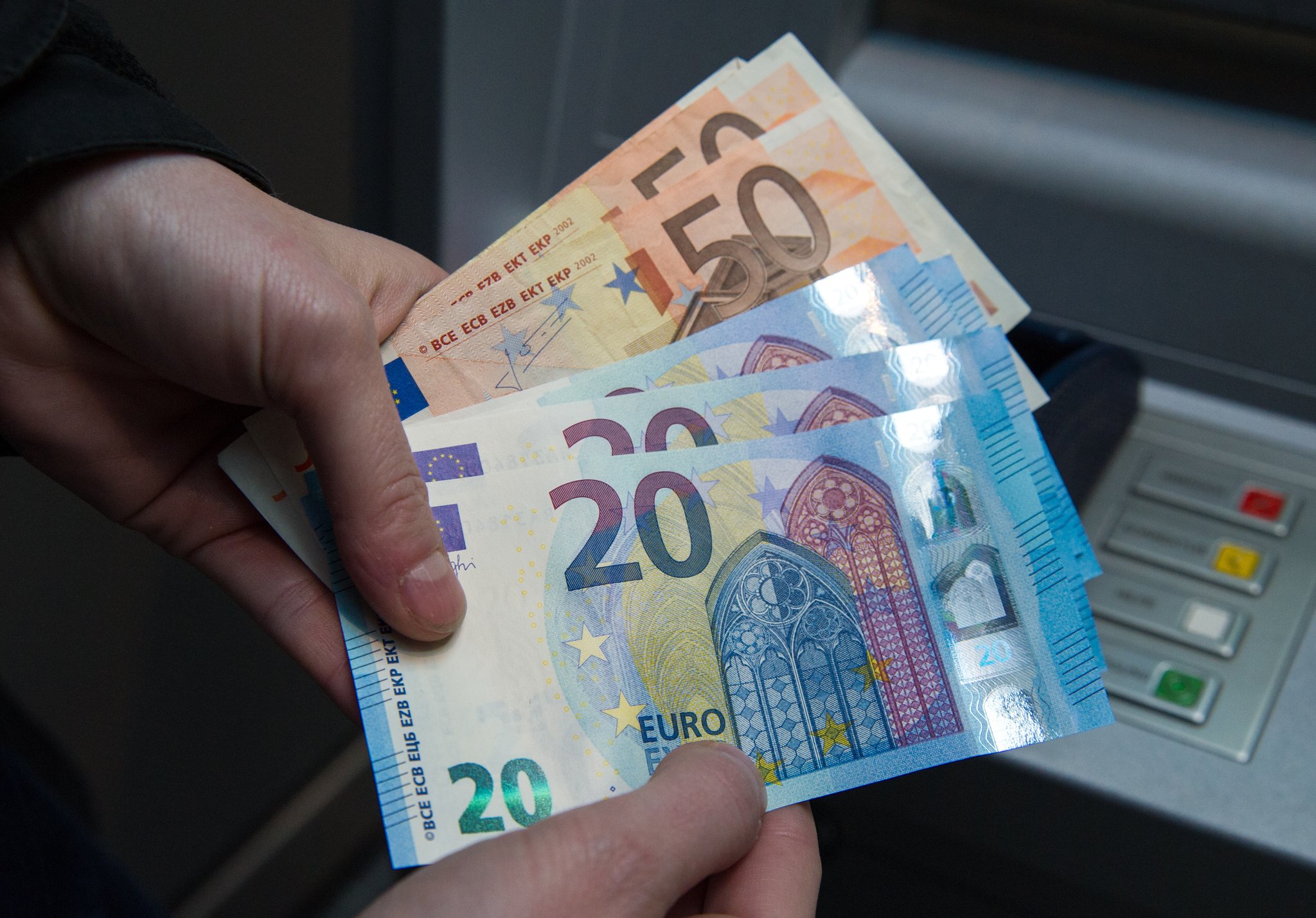
In a significantly digital world, the concept of “real money” has actually developed, causing a complex web of financial deals that encompasses both traditional currency and digital kinds. Purchasing real money describes the conversion of virtual or digital assets into real currency that can help with deals in everyday life. This article looks into the various approaches, benefits, difficulties, and regularly asked questions relating to the purchase of real money.
The Nature of Money in a Digital Era
Historically, money has actually been defined as a circulating medium, an unit of account, and a shop of worth. With the arrival of cryptocurrency, electronic banking, and digital payment systems, the landscape of financing has actually expanded. Here are some essential points relating to the development of money:
- Physical Currency: Traditional banknotes and coins utilized in day-to-day deals.
- Digital Currency: Money that is stored and transacted digitally, consisting of bank balances and digital wallets.
- Cryptocurrency: A decentralized kind of digital money secured by cryptography, with Bitcoin and Ethereum being the most acknowledged examples.
Comprehending these distinctions is necessary when thinking about buying real money, as different kinds of money included their own procedures, risks, and benefits.
Why Buy Real Money?
Getting real money generally stems from various needs and scenarios. The reasons can consist of:
- Investments: Many individuals are brought in to cryptocurrencies and other digital currencies as prospective financial investment cars.
- Global Transactions: Businesses and people might buy foreign currency (like Euros, Pounds, and so on) to assist in global trade or travel.
- Emergency situation Funds: Having money or concrete properties in the kind of currency ensures financial security throughout unsure times, such as financial downturns.
- Convenience: Digital deals have made it simpler for people to participate in commerce without bring physical cash.
How to Buy Real Money
The procedure of purchasing real money differs based upon its type. Below we break it down into typical categories:
1. Conventional Currency
To buy standard currency, you normally require:
- A Bank Account: Most deals require having a checking account for ease of transfer and security.
- Currency Exchange Services: You can utilize banks, exchange bureaus, or Online Currency Exchange platforms.
- Recognition: Often, you should supply recognition or evidence of home when converting large amounts.
2. Digital Currency
For getting digital currency, follow these actions:
a. Choose a Cryptocurrency Exchange
- Research Study Exchange Platforms: Popular platforms consist of Coinbase, Binance, and Kraken.
- Examine Fees and Security: Understand trading costs and security procedures to ensure your funds are safe.
b. Create an Account
- Registration Process: Complete the registration process, guaranteeing you offer accurate individual information.
- KYC Compliance: These exchanges might have Know Your Customer (KYC) requirements, asking for identification documentation.
c. Link Payment Methods
- Deposit Funds: You can link your bank account or debit/credit card to deposit funds on the exchange.
- Buying Process: Follow the directions on the platform to acquire your desired cryptocurrency.
3. Digital Wallets
To buy money saved in a digital wallet:
- Core Wallet Options: Choose in between a hot wallet (connected to the web) or a cold wallet (offline).
- Transfer Funds: Use these wallets to send out or receive money from various sources.
Benefits of Buying Real Money
Getting real money uses different advantages, including:
- Liquidity: Cash can be quickly utilized for deals, guaranteeing you have access to funds when necessary.
- Stability: Traditional currencies are fairly stable compared to unstable cryptocurrencies.
- Ease of access: Digital payment systems make moving money across borders easier and faster than conventional banking approaches.
Challenges in Buying Real Money
Despite its advantages, several challenges exist:
- Volatility: Cryptocurrencies are notoriously unstable, raising the risk for financiers.
- Charges: Currency exchanges and deals might incur numerous charges, lowering total success.
- Legal Regulations: Different jurisdictions have unique rules regarding currency deals and taxes, making compliance essential.
Frequently Asked Questions about Buying Real Money
1. Is it safe to buy cryptocurrency?
While buying cryptocurrency is considered safe when done through reputable exchanges, risks such as market volatility and cybersecurity threats exist. Users need to make it possible for two-factor authentication and never share sensitive details.
2. What are the main threats connected with purchasing foreign currency?
Dangers include variations in currency exchange rate, economic instability in the currency's nation, and potential scams or frauds in the exchange process.
3. Can I buy real money with a charge card?
Yes, many online exchanges allow charge card purchases for cryptocurrencies or conventional money, but understand prospective high costs.
4. How do more helpful hints ensure I'm getting a fair exchange rate?
Always compare rates from various exchanges or organizations, and consider using a currency converter to examine present market rates readily.
5. Are deals and purchases traceable?
Yes, a lot of deals, specifically digital currency purchases, are recorded on a blockchain or through banks, although some cryptocurrencies provide functions planned to enhance privacy.
Buying real money includes an intricate network of monetary deals that show the evolution of money itself. With the growth of digital transactions and currencies, it is essential for customers and financiers to be notified concerning the different methods, benefits, and prospective threats associated with the procedure. As the monetary landscape continues to establish, comprehending the subtleties of money will be progressively useful for making sound investment and spending decisions. By browsing this complicated environment with awareness and care, people can handle their finances proactively and safely.